Robert Deckey on Worldwide Plaza and Why the Bottom of the Market Is Not the Time to Sell
Jacobs P.C.
Episode Overview
Sometimes the difference between failure and recovery is not the asset.
It is timing.
In JPC Podcast 12, Episode 3, Robert Deckey and Leo Jacobs go deeper into one of the hardest questions in distressed real estate: when do you hold on, and when do you let go?
Using Worldwide Plaza as a case study, this episode explores what happens when a major office tower loses its anchor tenant, carries massive debt, and becomes the center of a fight between some of the biggest players in New York real estate.
This is not just a conversation about one building.
It is a conversation about debt, patience, pressure, and what borrowers need to understand when the market turns against them.
Why Selling at the Bottom Is Usually a Mistake
Deckey makes one point very clearly: if you believe you are at the trough of the market, that is usually the worst time to sell.
In his view, the logic is simple.
If new development has slowed, supply is shrinking, and demand is expected to recover, then the right move may be to survive long enough to participate in the rebound.
That is especially true in markets where the fundamentals still support long term recovery.
His thesis is not based on wishful thinking.
It is based on what comes after distress:
occupancy recovery, rent growth, NOI improvement, and eventually the opportunity to refinance or sell from a stronger position.
For borrowers who are upside down today, timing becomes everything.
Worldwide Plaza as a Real Time Stress Test
The discussion then shifts into Worldwide Plaza, which becomes the perfect example of everything they have been talking about.
Deckey walks through the earlier chapter of the building’s history, when it was acquired during the Global Financial Crisis through a highly calculated loan purchase from Deutsche Bank. At the time, the opportunity worked because the team understood both the debt structure and the leasing cycle. They modeled zero rent for three years, anticipated where the next major tenant would come from, and ultimately sold the building for a major profit.
But now the building is back in distress.
The 15 year Cravath lease has expired.
The building is older.
The debt is maturing.
And the economics are far more complicated.
That is what makes the conversation so strong.
The same building that once represented a successful recovery now represents a new impossible situation.
The Borrower’s Dilemma Is Often External, Not Internal
One of the most important themes in this episode is that many borrowers are not failing because they are reckless or incompetent.
They are being crushed by external pressure.
That pressure can come from expiring leases, changed market conditions, debt maturities, new capital requirements, or valuation collapses that have nothing to do with day to day operations.
Leo Jacobs makes this point forcefully.
Borrowers are often talking to themselves as though they did something wrong, when in reality the market itself has shifted under their feet.
That distinction matters.
Because once you understand that the impossibility is external, the question becomes less about blame and more about strategy.
How long can you hold?
What can be restructured?
When does patience create value?
And when does delay become dangerous?
What Makes Worldwide Plaza So Important
Worldwide Plaza is not just another distressed building.
It is important because sophisticated players are fighting for it.
That alone tells you something.
If RXR, SL Green, and Gary Barnett are all wrestling over the future of this asset, then the building still holds tremendous potential. The argument is no longer just about present pain. It is about future value.
Leo frames the legal battle as a fight over process, fairness, and control. Who gets to own the asset? How should that ownership be determined? And is the path to that outcome commercially reasonable?
Deckey’s response is equally revealing.
He believes office in New York is recovering faster than many expected. He points to improving leasing activity, shrinking Class A vacancy, and a tightening market for large blocks of quality space. In that context, a building like Worldwide Plaza may be worth far more in the future than its current distress suggests.
That is why timing matters so much.
And that is why nobody wants to let go too early.
Final Thought
This episode is really about one question:
How long do you hold on when the numbers tell one story, but the future may tell another?
Robert Deckey’s answer is grounded in timing, discipline, and conviction.
If the market is at the bottom, if recovery is coming, and if the asset still has strategic value, the goal is not to panic.
The goal is to survive long enough to reach the other side.
For distressed borrowers, that may be the hardest lesson of all.
Not every impossible moment means it is time to surrender.
Sometimes it means you need enough strategy, enough financing, and enough resolve to keep going..
🎧 Watch Episode 3
Watch Episode 3 for a sharp and timely discussion on Worldwide Plaza, borrower pressure, office recovery, and why the bottom of the market is rarely the right place to exit.
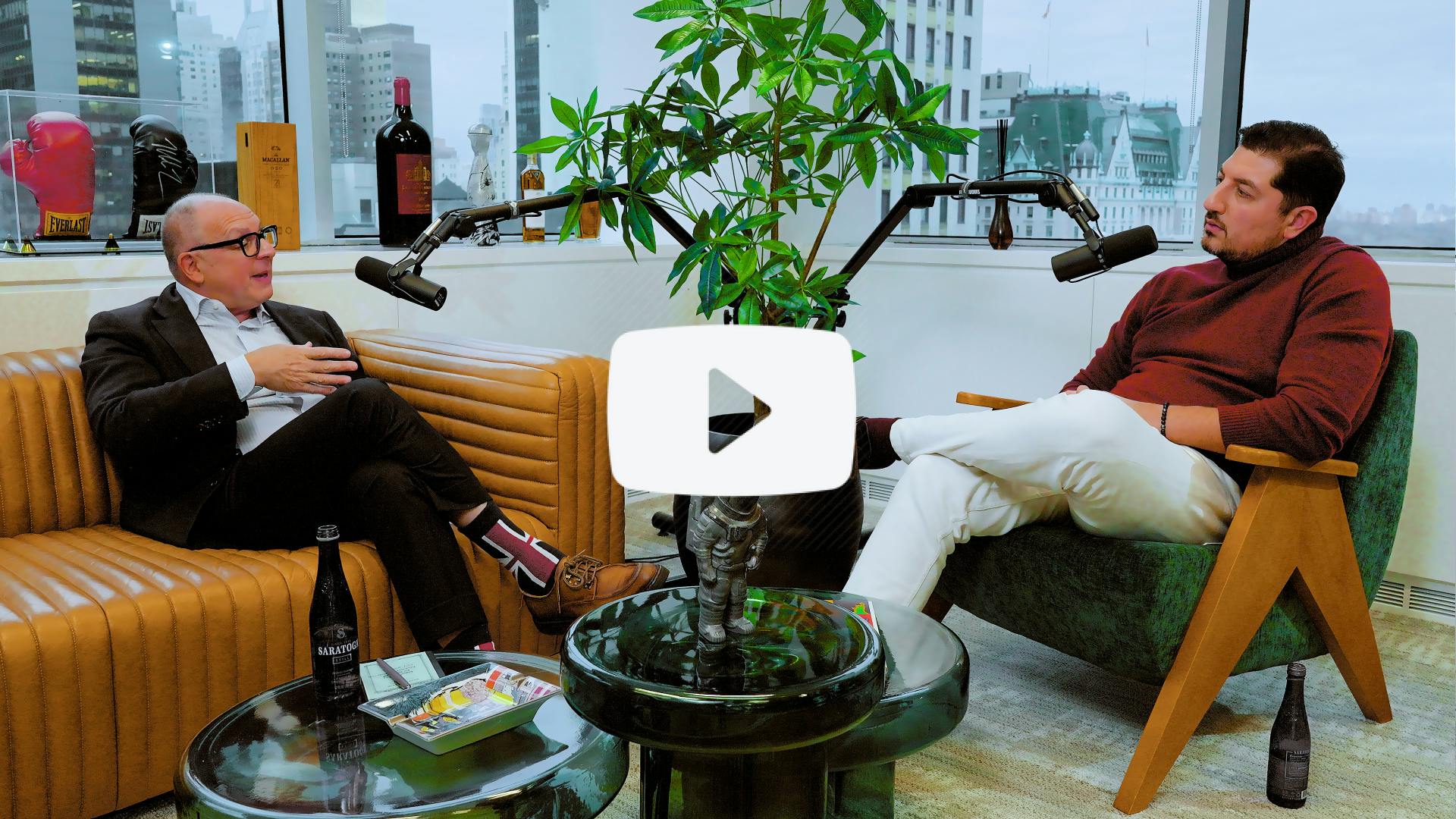
PODCAST - Confronting the Impossible with Leo Jacobs.
Leo Jacobs, Founder and CEO of Jacobs PC
Known for finding creative, expedient solutions to complex and high-profile cases, Leo excels in matters including distressed investment and asset management, real estate law, corporate law, dispute resolution, business divorces, negotiation, and more. Leo’s extensive expertise in debt and equity structures enables him to employ a full spectrum of legal tools to achieve swift, optimal results for clients. His practice, Jacobs P.C., bridges commercial litigation, corporate transactions, and financial rehabilitation, handling cases across federal, state, and bankruptcy courts, as well as administrative tribunals.
If you would like to join the podcast email requests to pr@jacobspc.com